Small Bathroom Renovation Tips That Maximize Space in Charlotte Homes
Small bathrooms are a common feature in many Charlotte homes, from historic bungalows in Dilworth to cozy starter homes in NoDa.
While compact bathrooms present unique challenges, they also offer exciting opportunities for creative design solutions that can transform a cramped space into a functional and beautiful retreat.
Homeowners throughout the Queen City are discovering that with the right approach, even the smallest bathroom can feel spacious, luxurious, and perfectly suited to modern living.
Understanding Charlotte’s Unique Housing Landscape
Charlotte’s diverse architectural styles mean that small bathrooms come in many forms. Historic neighborhoods feature homes built when bathrooms were purely functional afterthoughts, while mid-century properties often have compartmentalized layouts that feel especially tight by today’s standards. Even newer construction in rapidly developing areas sometimes includes smaller secondary bathrooms to maximize living space elsewhere in the home.
The good news is that Charlotte’s thriving home improvement market offers abundant resources for bathroom renovations. Local suppliers, experienced contractors familiar with regional building codes, and a design community attuned to Southern aesthetics all contribute to making small bathroom renovations both achievable and exciting for homeowners across the metro area.
Planning Your Small Bathroom Renovation
Before diving into demolition and design decisions, careful planning sets the foundation for a successful renovation. Charlotte homeowners should start by honestly assessing their bathroom’s current layout, identifying pain points, and envisioning how the space could better serve their daily routines.
Setting a Realistic Budget
Small bathroom renovations in Charlotte typically range from modest updates to complete overhauls. Understanding local costs helps homeowners set realistic expectations and make informed decisions about where to invest their renovation dollars.
| Renovation Scope | Estimated Cost Range | What’s Included |
|---|---|---|
| Cosmetic Update | $3,000 – $8,000 | Paint, fixtures, lighting, accessories |
| Mid-Range Remodel | $8,000 – $18,000 | New vanity, toilet, tile work, some layout changes |
| High-End Renovation | $18,000 – $35,000+ | Complete gut, luxury finishes, significant layout modifications |
These figures reflect typical Charlotte market rates, though costs can vary based on material selections, contractor availability, and the complexity of structural or plumbing changes. Obtaining multiple quotes from licensed local contractors ensures competitive pricing and helps identify the best fit for each project.
Working With Charlotte Building Codes
Mecklenburg County enforces specific building codes that affect bathroom renovations. Permits are typically required for projects involving plumbing, electrical work, or structural modifications. While this might seem like an administrative hurdle, working within these guidelines ensures safety and protects home values. Many experienced Charlotte contractors handle permit applications as part of their service, streamlining the process for homeowners.
Layout Strategies That Create More Space
The layout forms the backbone of any successful small bathroom renovation. Even without expanding the room’s footprint, strategic layout decisions can dramatically improve how spacious a bathroom feels and functions.
Reconsidering the Door Swing
Traditional inward-swinging doors consume valuable floor space that could be better utilized. Charlotte homeowners are increasingly exploring alternatives that free up this area:
- Pocket doors slide into the wall cavity, eliminating door swing entirely while adding a modern architectural element
- Outward-swinging doors move the swing into hallways or bedrooms, reclaiming bathroom floor space
- Barn-style sliding doors offer a contemporary aesthetic while keeping floor space clear
Each option has considerations for existing wall structures and adjacent spaces, but the payoff in usable square footage often justifies the installation effort.
Optimizing Fixture Placement
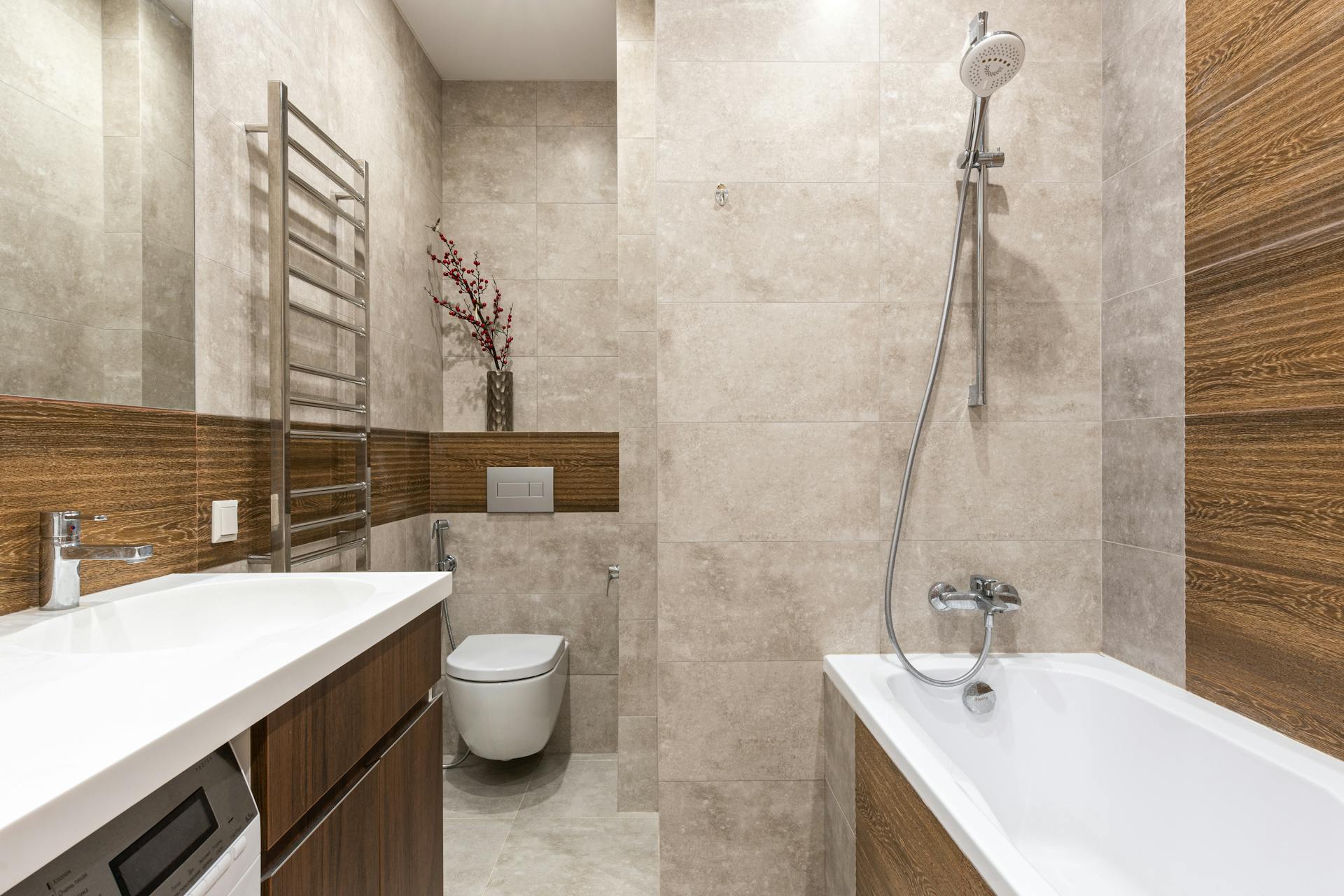
Rethinking where fixtures sit can unlock surprising amounts of space. Corner toilets, for instance, tuck into spaces that might otherwise go unused while making the room’s center feel more open. Wall-mounted toilets eliminate the visual bulk of a traditional base, creating an illusion of more floor space even though the actual footprint remains similar.
Shower and tub placement deserves special attention. Many Charlotte homeowners are choosing to remove rarely-used tubs in favor of spacious walk-in showers. This single change can transform a cramped bathroom into a spa-like retreat. For homes where tubs are necessary, compact soaking tubs or Japanese-style deep tubs provide bathing functionality in a smaller footprint.
The Power of the Wet Room
Wet rooms represent an increasingly popular approach for small bathroom renovations. By eliminating traditional shower enclosures and allowing the entire bathroom to function as a shower area, wet rooms create an open, airy feeling that makes small spaces feel dramatically larger. Proper waterproofing and floor drainage are essential, but experienced Charlotte contractors are well-versed in wet room construction techniques suitable for local conditions.
Visual Tricks That Expand Perceived Space
Beyond physical layout changes, design elements play a crucial role in how spacious a bathroom feels. Charlotte homeowners can employ numerous visual strategies that make small bathrooms appear larger without moving a single wall.
Strategic Use of Mirrors
Mirrors are the most powerful tool in the small bathroom designer’s arsenal. Large mirrors reflect light and views, effectively doubling the perceived space. Rather than a small medicine cabinet with a mirror door, consider installing a large mirror that spans the entire wall above the vanity. Some Charlotte homeowners take this further by adding a second mirror on the opposite wall, creating an infinite reflection effect that expands the room visually.
Backlit mirrors serve double duty, providing necessary task lighting while adding depth and dimension. LED strips behind mirrors create a floating effect that makes walls seem to recede, further enhancing the sense of space.
Embracing Light Colors and Reflective Surfaces
Light colors famously make spaces feel larger, but the effect goes beyond simple white walls. Charlotte designers often recommend layering different shades of the same light color family to create depth without visual heaviness. Soft grays, warm whites, and gentle beiges all work beautifully in small bathrooms while complementing the region’s traditional and contemporary home styles.
Glossy tiles reflect more light than matte finishes, contributing to a brighter, more open feeling. Large-format tiles with minimal grout lines create fewer visual interruptions, making walls and floors appear more expansive. Glass shower enclosures allow the eye to travel through the entire room rather than stopping at an opaque shower curtain, significantly impacting how large the bathroom feels.
Maximizing Natural Light
Charlotte’s abundant sunshine offers a valuable resource for small bathroom renovations. Existing windows should be maximized rather than covered. Frosted or textured glass provides privacy while allowing natural light to flood the space. For bathrooms without windows, solar tubes or light tunnels can bring natural daylight from the roof, dramatically improving the room’s ambiance.
When privacy permits, removing heavy window treatments in favor of sheer blinds or no coverings at all keeps spaces feeling open and connected to the outdoors. For ground-floor bathrooms where privacy is paramount, consider glass block windows that provide light diffusion while maintaining complete privacy.
Smart Storage Solutions
Storage challenges often make small bathrooms feel even more cramped. Toiletries, towels, cleaning supplies, and personal care items quickly accumulate, creating clutter that overwhelms limited space. Charlotte homeowners are discovering innovative storage solutions that keep essentials organized without sacrificing precious square footage.
Vertical Storage Opportunities
When floor space is limited, thinking vertically opens up numerous possibilities. Tall, narrow cabinets fit into corners or beside vanities, providing substantial storage in a minimal footprint. Open shelving above toilets transforms dead space into practical storage while keeping the floor area clear.
Built-in niches within shower walls eliminate the need for hanging caddies or floor-standing organizers. These recessed shelves can be tiled to match surrounding surfaces, creating a seamless look while providing convenient access to shower essentials. Charlotte contractors experienced in tile work can incorporate multiple niches at various heights, accommodating bottles of different sizes.
Utilizing Hidden Spaces
Every small bathroom contains hidden storage opportunities waiting to be discovered. The space beneath wall-mounted sinks can accommodate rolling carts or decorative baskets. The area above the door holds potential for a shallow shelf perfect for storing extra towels or rarely-used items.
Medicine cabinets recessed into walls rather than mounted on surfaces save space while providing essential storage. Modern medicine cabinets come in various sizes and configurations, including some with electrical outlets inside for charging electric toothbrushes or shavers.
Multi-Functional Fixtures
Choosing fixtures that serve multiple purposes maximizes utility without adding bulk. Vanities with built-in storage compartments, medicine cabinets with integrated lighting, and mirrors with hidden shelving all provide multiple functions in single pieces. Shower benches with hollow interiors can store bath products, while decorative ladder shelves lean against walls to hold towels without requiring installation.
Fixture and Feature Selections for Small Spaces
The specific fixtures and features chosen for a small bathroom renovation significantly impact both functionality and perceived space. Charlotte homeowners should prioritize items scaled appropriately for compact areas while maintaining the style and quality they desire.
Vanity Considerations
Vanities anchor bathroom design and must balance storage needs with space constraints. Wall-mounted vanities float above the floor, creating an airy feeling and making the room easier to clean. Pedestal sinks occupy minimal space but sacrifice storage, making them suitable only when alternative storage solutions exist.
Corner vanities utilize space that might otherwise go unused. Custom-built vanities can be sized precisely to fit available dimensions while incorporating specific storage features. Charlotte’s numerous custom cabinet makers can create vanities tailored exactly to each bathroom’s unique requirements and the homeowner’s personal style preferences.
Toilet Options
Modern toilets come in various configurations designed specifically for small bathrooms. Wall-hung toilets mount directly to the wall with the tank hidden inside, creating a sleek, modern look while freeing up floor space. One-piece toilets have a more compact profile than traditional two-piece models, though both are available in comfortable or elongated bowl shapes.
Dual-flush toilets add water conservation to their list of benefits, an increasingly important consideration for environmentally-conscious Charlotte homeowners. The minor cost premium pays dividends through reduced water bills over the fixture’s lifetime.
Shower and Tub Selections
For small bathrooms where showers are preferred over tubs, neo-angle showers fit beautifully into corners while providing adequate interior space. Curved shower rods add several inches of elbow room within standard tub-shower combinations without any construction work. Frameless glass enclosures feel lighter and less visually intrusive than framed alternatives.
When tubs are non-negotiable, Japanese soaking tubs offer deep, relaxing baths in a smaller footprint than standard American tubs. Some models are designed to fit exactly where a standard tub would go, making them straightforward replacements during renovation projects.
Lighting Design for Small Bathrooms
Proper lighting transforms small bathrooms from dim, cramped spaces into bright, inviting retreats. Charlotte homeowners should plan for multiple light sources at different levels, creating layered illumination that serves various needs while enhancing the sense of space.
Task Lighting Essentials
Vanity lighting provides crucial illumination for grooming activities. Lights mounted on either side of the mirror rather than above eliminate shadows on faces, offering the most flattering and functional lighting. LED fixtures provide bright, energy-efficient light that closely mimics natural daylight.
Shower lighting improves safety and creates a more luxurious experience. Recessed, waterproof fixtures rated for wet locations ensure proper illumination without compromising safety. Dimmer switches allow light levels to be adjusted from bright and energizing for morning showers to soft and relaxing for evening baths.
Ambient and Accent Lighting
General overhead lighting, typically from a central ceiling fixture, provides overall illumination. However, relying solely on a single overhead light creates harsh shadows and an institutional feeling. Combining overhead lighting with other sources creates depth and interest.
Accent lighting highlights architectural features or design elements, drawing the eye upward and making ceilings feel higher. LED strip lighting beneath floating vanities or around mirrors adds a contemporary touch while contributing to the overall light level. These low-voltage options are energy-efficient and generate minimal heat, important considerations in compact spaces.
Material Selections That Enhance Space
The materials chosen for floors, walls, and surfaces significantly impact how spacious a small bathroom feels. Charlotte homeowners have access to countless options, but some choices work particularly well in compact spaces.
Flooring Options
Large-format floor tiles with minimal grout lines create a more expansive look than small tiles with numerous grout joints. Tiles running diagonally or in unexpected patterns draw the eye and make floors seem larger. Light-colored tiles reflect more light than dark options, contributing to an airier atmosphere.
Luxury vinyl plank flooring offers the look of hardwood or stone with excellent water resistance and easier installation than traditional tile. These products have improved dramatically in recent years, with premium options virtually indistinguishable from natural materials.
Wall Treatments
Continuing floor tile partway up walls creates visual continuity that makes spaces feel larger. This approach also provides durable, water-resistant surfaces in splash zones. Decorative tile accents should be used sparingly in small bathrooms; a single well-chosen accent stripe or focal wall creates interest without overwhelming the space.
Paint remains a cost-effective option for bathroom walls, provided high-quality, moisture-resistant formulas are selected. Semi-gloss or satin finishes repel moisture better than flat paint while reflecting more light. Bold colors can work in small bathrooms when used thoughtfully, perhaps on a single accent wall while keeping other surfaces neutral.
Countertop Choices
Countertop materials should be selected for both appearance and practicality. Quartz offers durability and low maintenance with consistent colors and patterns. Marble provides timeless elegance but requires more maintenance. Solid surface materials can be fabricated with integrated sinks, eliminating the visual break between sink and counter for a seamless, spacious look.
Light-colored countertops help small bathrooms feel brighter and more open. However, darker countertops can ground a design when balanced with lighter walls and floors, creating sophisticated contrast without making the space feel smaller.
Climate Considerations for Charlotte Bathrooms
Charlotte’s humid subtropical climate presents specific considerations for bathroom renovations. Proper ventilation and moisture management protect the investment while ensuring comfortable, healthy spaces.
Ventilation Requirements
Adequate ventilation is non-negotiable in Charlotte’s humid climate. Building codes require exhaust fans in bathrooms without windows, but even bathrooms with windows benefit from mechanical ventilation. Modern exhaust fans operate quietly while efficiently removing moisture and odors.
Fans should be sized appropriately for the bathroom’s cubic footage, typically rated in cubic feet per minute (CFM). As a general rule, bathrooms need one CFM per square foot of floor space, though higher ratings benefit particularly humid areas. Timer switches or humidity-sensing controls ensure fans run long enough to remove moisture after showers.
Preventing Mold and Mildew
Charlotte’s humidity creates conditions favorable for mold and mildew growth. Proper waterproofing during construction prevents moisture infiltration into wall cavities. Mold-resistant drywall, appropriate for bathroom applications, adds an extra layer of protection.
Regular maintenance keeps bathrooms healthy. Grout should be sealed properly and maintained, while caulk around tubs and showers should be refreshed when it begins to deteriorate. Quick-drying towels hung on heated towel racks rather than damp towels draped over shower doors reduce moisture levels and discourage mold growth.
Working With Charlotte Contractors
Selecting the right contractor makes the difference between a smooth renovation experience and a stressful ordeal. Charlotte’s competitive home improvement market offers many qualified professionals, but homeowners should approach contractor selection thoughtfully.
Finding Qualified Professionals
Word-of-mouth recommendations from neighbors and friends provide valuable starting points. Online reviews on platforms like Google, Yelp, and Houzz offer additional perspectives, though they should be evaluated critically. The Better Business Bureau and local contractors’ associations maintain records of licensed professionals and any complaints filed against them.
Meeting with multiple contractors allows homeowners to compare approaches, pricing, and personalities. The lowest bid isn’t always the best choice; experience with small bathroom renovations specifically, communication style, and professional references all factor into the decision. Licensed, insured contractors protect homeowners from liability and ensure work meets local building codes.
Managing the Renovation Process
Clear communication from the project’s outset prevents misunderstandings and disappointments. Detailed contracts should specify materials, timelines, payment schedules, and procedures for handling unexpected issues. Regular check-ins keep projects on track and allow concerns to be addressed promptly.
Small bathroom renovations typically take two to four weeks, depending on the scope of work and material availability. Homeowners should prepare for some inconvenience, particularly in single-bathroom homes. Planning alternative bathing arrangements and being flexible about timelines reduces stress when inevitable delays occur.
Trends in Charlotte Small Bathroom Design
Charlotte’s design aesthetic blends Southern traditional elements with contemporary influences, creating bathrooms that feel both timeless and current. Several trends are particularly popular among local homeowners renovating small bathrooms.
Modern Farmhouse Influences
The modern farmhouse style continues its strong presence in Charlotte homes. Shiplap accent walls, matte black fixtures, and rustic wood elements combine with clean lines and contemporary shapes. This approach works beautifully in small bathrooms, where the style’s emphasis on simplicity and function aligns perfectly with space-maximizing goals.
Spa-Inspired Retreats
Charlotte homeowners increasingly view bathrooms as personal sanctuaries rather than purely functional spaces. Rainfall showerheads, pebble tile floors, and natural stone accents bring spa-like luxury to even compact bathrooms. Neutral color palettes with organic textures create calming environments that support relaxation and self-care.
Bold Tile Patterns
While neutral palettes dominate overall bathroom design, many Charlotte homeowners incorporate personality through distinctive tile choices. Geometric patterns, colorful cement tiles, or dramatic marble-look porcelain create focal points that express individual style. In small bathrooms, these bold elements work best when used strategically on a single wall or floor area rather than throughout the entire space.
Maximizing Long-Term Value
Small bathroom renovations represent significant investments in both money and time. Making choices that enhance long-term value protects this investment while ensuring continued enjoyment of the improved space.
Quality Over Trends
While incorporating current design trends keeps bathrooms feeling fresh, the most enduring renovations balance contemporary style with timeless elements. High-quality fixtures and materials withstand daily use better than budget alternatives, maintaining their appearance and function for years. Classic subway tile, neutral color foundations, and quality craftsmanship never go out of style, providing backdrops against which accessories and accents can be updated affordably as tastes change.
Energy and Water Efficiency
Energy-efficient lighting, low-flow fixtures, and properly insulated spaces reduce utility costs while supporting environmental sustainability. These features also appeal to future buyers, should homeowners eventually sell. Many water and energy-efficient products perform as well or better than conventional alternatives while providing measurable cost savings.
Planning for Aging in Place
As Charlotte’s population ages, universal design principles gain importance. Features like curbless showers, grab bars, and comfort-height toilets serve users of all ages and abilities while maintaining attractive appearances. Incorporating these elements during renovation avoids costly modifications later while making bathrooms safer and more accessible for everyone.
Bringing It All Together
Small bathroom renovations in Charlotte homes succeed when thoughtful planning meets creative design solutions. By maximizing every square inch through strategic layouts, clever storage, and space-enhancing visual techniques, even the most compact bathrooms can become beautiful, functional spaces that homeowners love using daily.
The key lies in understanding that small doesn’t mean limited. With Charlotte’s abundant resources, from experienced contractors to extensive material selections, homeowners can create bathrooms that feel spacious, luxurious, and perfectly suited to their needs and aesthetic preferences. Whether updating a historic home’s original bathroom or renovating a secondary bath in a newer property, the principles of maximizing space through smart design remain constant.
Taking time to plan carefully, selecting quality materials and fixtures, and working with skilled professionals ensures renovation investments pay dividends for years to come. Small bathrooms transformed through thoughtful renovation become some of the most satisfying spaces in Charlotte homes, proving that great design isn’t about square footage but rather how creatively and effectively available space is utilized.