Kitchen Island Design Ideas That Add Value to Charlotte Homes
The kitchen island has evolved from a simple prep space into the heart of modern Charlotte homes. For homeowners in the Queen City looking to enhance both functionality and property value, a well-designed kitchen island represents one of the smartest renovation investments available.
Whether preparing for a future sale or simply wanting to improve daily living, the right island design can transform a kitchen from ordinary to extraordinary while delivering impressive returns on investment.
Why Kitchen Islands Matter in Charlotte’s Real Estate Market
Charlotte’s housing market continues to attract buyers from across the country, with many seeking homes that blend Southern charm with contemporary convenience. Real estate agents throughout Mecklenburg County consistently report that updated kitchens with functional islands rank among the top features buyers request. The kitchen island serves multiple purposes that align perfectly with how Charlotte families live, entertain, and work from home.
Local real estate trends show that homes with thoughtfully designed kitchen islands sell faster and command higher prices than comparable properties without them. This advantage stems from the island’s ability to address several needs simultaneously: additional storage, expanded counter space, casual dining areas, and improved traffic flow. For Charlotte homeowners considering renovations, the kitchen island offers a clear path to increasing home value while enjoying immediate lifestyle benefits.
Understanding Charlotte Home Styles and Island Compatibility
Charlotte’s diverse architectural landscape includes everything from historic bungalows in Dilworth to modern new construction in Ballantyne. Each home style presents unique opportunities and considerations for island design.
Traditional Homes
Older Charlotte neighborhoods feature homes with smaller, compartmentalized kitchens that were standard in early and mid-20th century construction. These spaces often require creative solutions to incorporate islands without overwhelming the room. Homeowners in these areas should consider compact islands with wheels or those that can serve dual purposes, such as a vintage hutch converted into an island with modern functionality hidden behind period-appropriate facades.
Transitional and Contemporary Homes
Suburban Charlotte communities built from the 1990s onward typically feature more open floor plans that naturally accommodate larger islands. These spaces allow for expansive designs that can include multiple levels, integrated appliances, and substantial seating areas. The challenge here involves creating an island that makes a statement without disrupting the open flow between kitchen, dining, and living areas.
New Construction
Recently built homes in areas like Wesley Chapel and Waxhaw often come with builder-grade islands that lack personality and optimal functionality. These spaces provide excellent opportunities for customization that can immediately distinguish a home from neighboring properties with identical floor plans.
Essential Design Elements That Add Value
Creating an island that genuinely enhances home value requires careful attention to several key design elements. Simply adding any island won’t necessarily increase property worth; the design must be both practical and appealing to future buyers while serving current homeowners well.
Size and Proportion
The relationship between island size and kitchen dimensions determines whether the addition feels like a natural enhancement or an awkward obstruction. Charlotte kitchen designers recommend maintaining at least 42 to 48 inches of clearance on all sides of the island to ensure comfortable movement. This spacing becomes especially important in homes where multiple family members might be cooking simultaneously or where the kitchen connects to high-traffic areas.
For smaller Charlotte kitchens common in older neighborhoods, a compact island measuring 4 feet by 2 feet can provide substantial benefits without cramping the space. Larger suburban kitchens can accommodate islands stretching 8 feet or longer, creating true focal points that anchor the entire room.
Storage Solutions
One of the primary ways islands add value involves dramatically increasing kitchen storage capacity. Charlotte homeowners should consider their specific storage needs when designing island functionality. Deep drawers work exceptionally well for pots, pans, and small appliances, while open shelving can display cookbooks or decorative items that add personality. Pull-out trash and recycling bins keep these necessities hidden but accessible, maintaining the kitchen’s aesthetic appeal.
Specialized storage options that appeal to Charlotte’s diverse population include wine refrigerators for entertaining, dedicated spaces for standing mixers and other appliances, and pull-out spice racks that maximize every inch of available space. These thoughtful touches demonstrate attention to detail that resonates with discerning buyers.
Countertop Materials
The island countertop receives intense scrutiny from potential buyers and serves as a primary visual element in the kitchen. Charlotte’s climate and lifestyle considerations should inform material selection. Granite and quartz remain popular choices that balance durability, maintenance requirements, and aesthetic appeal. These materials withstand the humidity of North Carolina summers while providing surfaces that resist stains and scratches.
Butcher block countertops create warm, inviting focal points and work particularly well in kitchens that blend traditional and modern elements. However, they require more maintenance than stone options. For homeowners who love to bake, incorporating a marble section specifically for pastry work adds a professional touch that appeals to serious home cooks.
Popular Island Design Styles in Charlotte
Charlotte’s design preferences reflect the city’s unique blend of Southern tradition and progressive urban energy. Understanding which styles resonate most with local buyers helps homeowners make renovation decisions that maximize value.
Modern Farmhouse
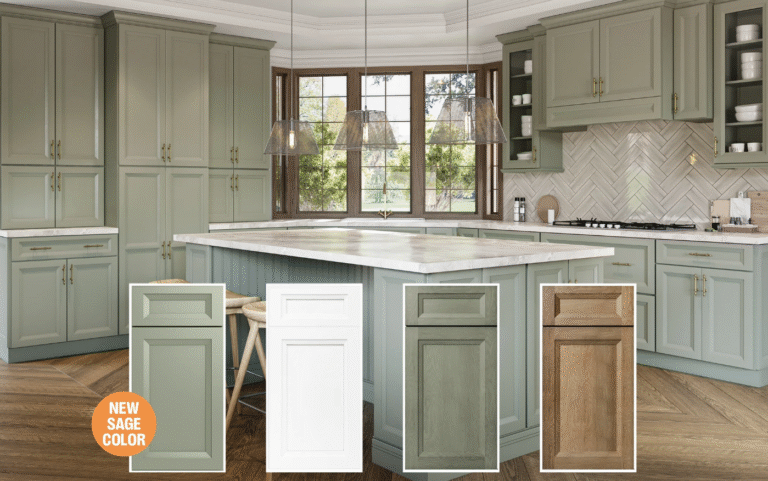
The modern farmhouse aesthetic dominates Charlotte’s design scene, combining rustic elements with contemporary functionality. Islands in this style often feature shiplap or beadboard sides, open shelving for displaying dishes or baskets, and wood or painted finishes in soft whites, grays, or sage greens. Adding industrial-style pendant lights and modern hardware creates the perfect balance between cozy and current.
Contemporary Minimalist
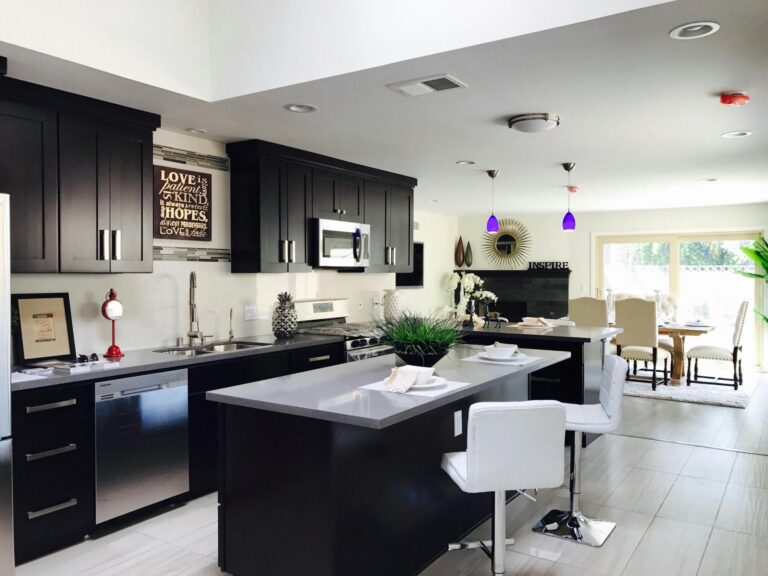
Sleek, handleless cabinets, waterfall edge countertops, and monochromatic color schemes define the contemporary approach. This style works exceptionally well in newer Charlotte homes and appeals to buyers seeking low-maintenance, uncluttered spaces. The clean lines and simple forms allow high-quality materials and excellent craftsmanship to take center stage.
Transitional Elegance
Many Charlotte homeowners prefer designs that won’t feel dated in five or ten years. Transitional islands blend classic and contemporary elements, using traditional materials like wood and stone with streamlined profiles and updated colors. This approach offers broad appeal to potential buyers across different age groups and style preferences.
Southern Traditional
For homes in historic Charlotte neighborhoods, islands that honor regional architectural heritage create cohesive, authentic spaces. Furniture-style islands with turned legs, decorative corbels, and rich wood finishes complement the character of older homes while providing modern functionality hidden within traditional forms.
Functional Features That Boost Property Value
Beyond aesthetics, specific functional elements significantly impact how much value an island adds to a Charlotte home. These features address practical needs while enhancing the overall kitchen experience.
Seating Capacity
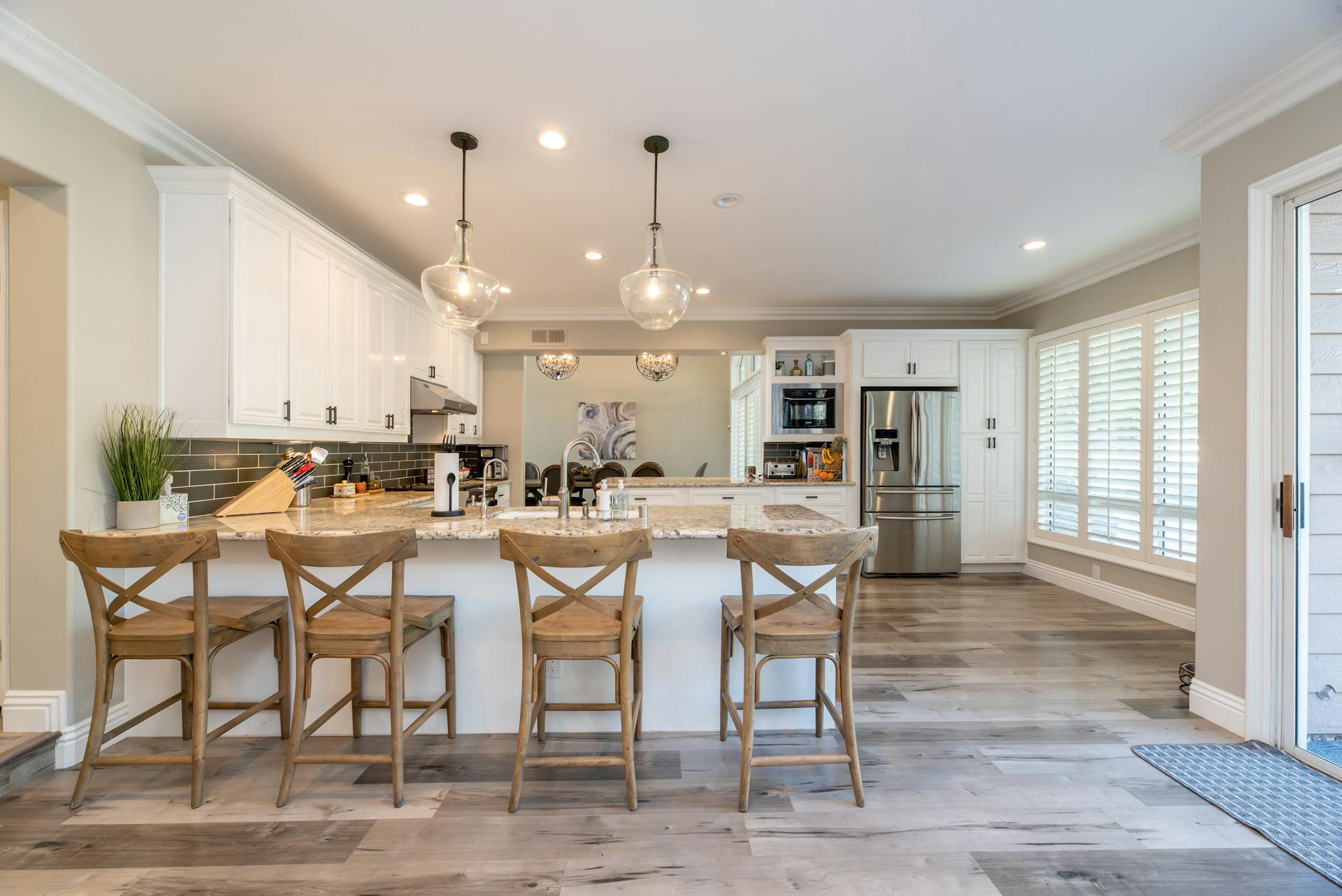
Kitchen islands with seating create casual dining spaces that Charlotte families use daily. The seating area also provides a spot where kids can do homework while parents prepare dinner, or where guests can chat with hosts during parties. Standard counter height (36 inches) works for traditional dining, while raised bars (42 inches) create more visual separation between kitchen and living areas.
Planning for seating requires careful consideration of overhang dimensions. Comfortable seating needs at least 12 inches of overhang, though 15 to 18 inches provides more knee room. Each seated person requires approximately 24 inches of width, so a 6-foot island can comfortably accommodate three people.
Integrated Appliances
Incorporating appliances into the island enhances both functionality and value. Popular options include:
- Cooktops: Create a chef-style setup that allows the cook to face guests while preparing meals, though these require proper ventilation with a statement-making hood or downdraft system
- Dishwashers: Provide convenient cleanup access, especially in homes with frequent entertainers
- Beverage refrigerators: Offer dedicated cold storage for drinks without opening the main refrigerator
- Warming drawers: Keep dishes at perfect serving temperature during holiday meals and dinner parties
- Microwave drawers: Eliminate counter clutter while maintaining easy access to this essential appliance
Power and Connectivity
Modern Charlotte homes require abundant power access for charging devices, plugging in small appliances, and supporting smart home technology. Building electrical outlets into the island sides (not the top, which violates code in most cases) ensures convenient access without visible cord clutter. Some homeowners incorporate pop-up outlets that disappear when not in use, maintaining clean lines while providing necessary functionality.
USB charging ports have become expected features in updated kitchens, allowing family members to charge phones and tablets while working or eating at the island. For those who work from home, incorporating dedicated circuits that can support laptops and monitors transforms the island into a versatile workspace.
Color and Finish Trends for Charlotte Kitchens
Color choices dramatically affect how an island impacts overall home value. While personal preference matters, understanding Charlotte market trends helps homeowners select options that appeal to the broadest range of potential buyers.
Classic Neutrals
White, gray, and beige islands maintain timeless appeal and allow homeowners to update other kitchen elements without replacing the island. These colors also make spaces feel larger and brighter, particularly valuable in Charlotte homes where natural light might be limited. Warm whites with creamy undertones complement the traditional Southern aesthetic, while cooler grays suit contemporary homes.
Statement Colors
Using the island as a colorful focal point while keeping perimeter cabinets neutral creates visual interest without overwhelming the space. Popular bold choices in Charlotte include deep navy blues, forest greens, and charcoal grays. These colors add personality and sophistication while remaining more conservative than trendy bright hues that might not age well.
Natural Wood Tones
Wood islands bring warmth and texture to kitchens dominated by painted cabinets and stone countertops. Natural, honey, and medium wood tones work well in Charlotte’s design landscape, particularly in homes with wood floors or exposed ceiling beams. The organic quality of wood creates welcoming spaces that feel both elegant and approachable.
Two-Tone Approaches
Contrasting the island color with perimeter cabinets has become a signature look in Charlotte renovations. This approach allows homeowners to incorporate trend-forward colors on the island while keeping the larger cabinet investment more neutral. Common combinations include white perimeter cabinets with a navy island, gray cabinets with a natural wood island, or cream cabinets with a sage green island.
Lighting Design for Kitchen Islands
Proper lighting transforms an island from a simple work surface into a stunning focal point while ensuring the space remains functional for various tasks. Charlotte homeowners should consider both ambient and task lighting when planning island illumination.
Pendant Lights
Hanging pendant lights above the island serve both practical and decorative purposes. These fixtures typically hang 30 to 36 inches above the island surface, providing focused task lighting while making a strong design statement. For longer islands, three pendants create better light distribution than two, with each fixture centered over its section of counter space.
Charlotte design trends favor oversized glass pendants, industrial-style metal fixtures, and modern geometric shapes. The finish should coordinate with other kitchen hardware and fixtures to create a cohesive look throughout the space.
Recessed Lighting
While less visually dramatic than pendants, recessed lights provide even, shadow-free illumination perfect for food preparation. Installing these lights on dimmer switches allows homeowners to adjust lighting levels based on time of day and activity, creating ambiance for entertaining while maintaining brightness for cooking tasks.
Under-Island Lighting
LED strips installed beneath overhang areas create a floating effect while providing subtle accent lighting. This technique particularly enhances islands with waterfall edges or interesting base details, adding dimension and drama to the kitchen during evening hours.
Cost Considerations and Return on Investment
Understanding the financial aspects of island installation helps Charlotte homeowners make informed decisions about their renovation budgets. Kitchen islands vary dramatically in cost based on size, materials, and complexity.
Budget Ranges
| Island Type | Approximate Cost | Features |
|---|---|---|
| Basic Portable Island | $300 – $1,500 | Pre-manufactured, wheels, limited storage |
| Mid-Range Custom Island | $3,000 – $8,000 | Built-in, quality materials, standard features |
| High-End Custom Island | $10,000 – $25,000+ | Premium materials, integrated appliances, specialized features |
These costs typically include materials and installation but may not cover electrical work, plumbing modifications, or structural changes required to accommodate the island.
ROI Expectations
Kitchen renovations generally return 60 to 80 percent of their cost at resale, with islands contributing significantly to this return. The key to maximizing value involves creating designs that appeal to broad buyer pools while avoiding over-personalization that might limit appeal. Charlotte’s strong real estate market and high demand for updated kitchens support strong returns on quality island installations.
Beyond pure financial returns, homeowners should consider the quality-of-life improvements islands provide during their time in the home. Increased storage, better traffic flow, additional seating, and enhanced entertaining capability deliver daily value that transcends eventual resale considerations.
Working with Charlotte Contractors and Designers
Successfully implementing an island design requires finding qualified professionals who understand local building codes, design trends, and Charlotte’s unique real estate market. Homeowners should seek contractors with specific experience in kitchen renovations and designers familiar with the area’s architectural styles.
Questions to Ask Potential Contractors
Before hiring professionals for island installation, Charlotte homeowners should inquire about:
- Previous island projects with photos and references
- Understanding of Charlotte building codes and permit requirements
- Timeline expectations from design to completion
- How they handle unexpected issues or structural surprises
- Warranty coverage on labor and materials
- Process for material selection and ordering
Permit Requirements
Most Charlotte kitchen renovations involving electrical work, plumbing changes, or structural modifications require permits from the city. Working with contractors familiar with local permitting processes ensures projects meet all code requirements and helps avoid costly corrections or delays. Proper permitting also protects home value, as unpermitted work can complicate future sales.
Common Mistakes to Avoid
Even well-intentioned Charlotte homeowners sometimes make island design decisions that diminish rather than enhance home value. Avoiding these common pitfalls helps ensure renovation investments pay off.
Blocking Traffic Flow
Islands placed without adequate clearance create frustrating bottlenecks and make kitchens feel cramped. Before finalizing placement, homeowners should physically map out typical movement patterns, considering how people enter the kitchen, access the refrigerator, and move between work zones. Testing furniture placement with cardboard templates helps visualize how the finished island will impact space.
Ignoring Proportion
An island that’s too large overwhelms the kitchen, while one that’s too small fails to make enough impact to justify the investment. The island should feel substantial without dominating the room. Working with designers who can create scale drawings helps homeowners visualize proper proportions before construction begins.
Over-Personalizing
While homeowners should create spaces they love, considering eventual resale means avoiding extremely trendy colors, unusual materials, or highly specific functionality that appeals only to narrow audiences. Built-in specialized equipment like commercial-grade espresso machines or pizza ovens might thrill some buyers but could limit appeal to others.
Skimping on Quality
Using budget materials or rushing through installation to save money often backfires when poor construction quality becomes apparent during daily use. Kitchen islands endure significant wear, from food preparation to children’s activities to entertaining. Investing in quality materials and skilled installation ensures the island maintains its appearance and functionality long-term, supporting home value rather than detracting from it.
Future-Proofing Island Designs
Creating islands that remain valuable and functional for years requires thinking beyond current trends to consider how Charlotte’s housing market and lifestyle preferences might evolve.
Flexible Functionality
Designing islands with adaptable features allows spaces to evolve with changing needs. Removable sections that can convert from closed storage to open shelving, adjustable shelves that accommodate various item sizes, and electrical systems with extra capacity for future appliances all contribute to long-term value.
Universal Design Principles
Incorporating accessibility features doesn’t mean sacrificing style. Varying counter heights, providing knee space beneath sections of the island, and ensuring adequate maneuvering room benefits everyone while potentially expanding the buyer pool to include those with mobility considerations. As Charlotte’s population ages and multi-generational living becomes more common, these thoughtful touches increase value.
Smart Home Integration
While avoiding over-personalization remains important, building infrastructure for smart home technology positions islands for future upgrades. Dedicated circuits, extra outlets, and consideration for where voice-activated devices might be placed allows homeowners to add technology as it evolves without requiring island reconstruction.
Bringing It All Together
Kitchen islands represent powerful tools for Charlotte homeowners seeking to enhance their homes’ functionality, beauty, and market value. The most successful island designs balance current needs with future flexibility, personal style with broad appeal, and aesthetic impact with practical utility.
Charlotte’s diverse housing stock and vibrant real estate market create ideal conditions for strategic kitchen renovations. Whether working with a historic bungalow’s cozy kitchen or updating a suburban home’s builder-grade space, the right island design elevates the entire home while delivering strong returns on investment.
Homeowners who approach island design thoughtfully—considering space planning, material selection, functional features, and local market preferences—create kitchens that serve them beautifully today while positioning their properties for successful sales tomorrow. In a city where kitchens have become true living spaces and gathering places, the island stands at the center of modern home life, making it one of the most valuable renovations Charlotte homeowners can undertake.