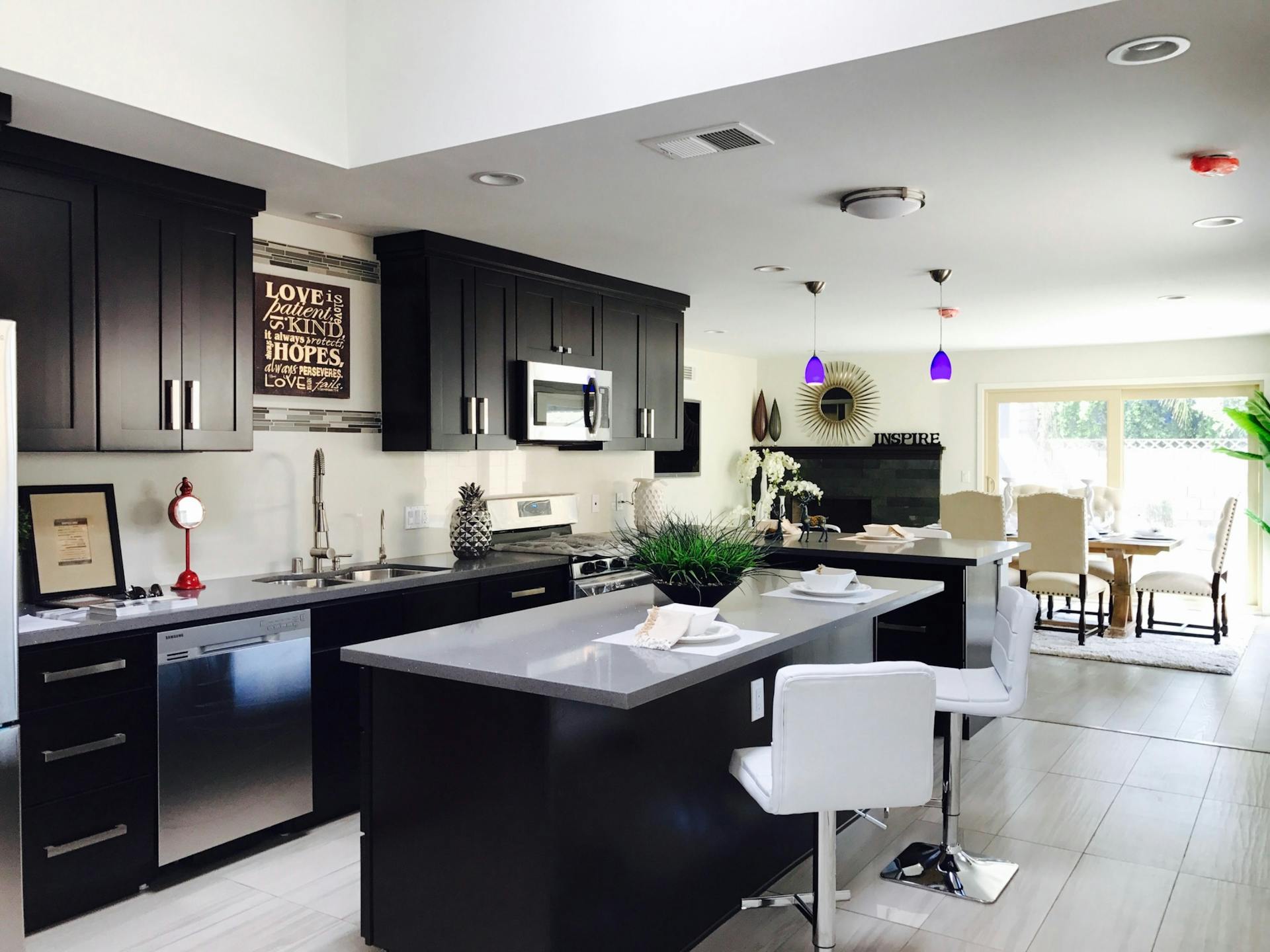
Small Kitchen Remodeling Ideas Perfect for Charlotte Townhomes
Charlotte’s townhome market continues to thrive, with neighborhoods like South End, NoDa, and Dilworth attracting homeowners who love urban convenience without sacrificing style. However, many of these charming townhomes come with a common challenge: compact kitchens that need creative solutions to maximize functionality and aesthetic appeal.
For Charlotte residents looking to transform their small kitchen spaces, understanding which remodeling strategies work best can make all the difference between a cramped cooking area and an efficient, beautiful heart of the home.
Understanding Charlotte Townhome Kitchen Constraints
Charlotte townhomes typically feature kitchens ranging from 70 to 120 square feet, significantly smaller than the national average of 150 to 200 square feet found in single-family homes. These compact spaces present unique challenges that require thoughtful planning and strategic design choices.
The typical Charlotte townhome kitchen faces several spatial limitations. Many units feature galley-style layouts with parallel countertops, limited cabinet space, and minimal room for dining areas. Older townhomes in neighborhoods like Plaza Midwood or Elizabeth may also have outdated layouts that don’t reflect modern cooking and entertaining habits. Additionally, structural constraints often limit how much homeowners can alter the footprint without significant expense or HOA approval.
Despite these challenges, Charlotte’s temperate climate and strong design culture provide excellent opportunities for creative remodeling solutions. The city’s thriving home improvement market means access to skilled contractors familiar with townhome-specific challenges, and the local design aesthetic tends toward fresh, contemporary looks that work beautifully in smaller spaces.
Smart Layout Strategies for Maximum Efficiency
When space is at a premium, layout becomes the foundation of successful kitchen remodeling. Charlotte homeowners have discovered that even small adjustments to kitchen flow and organization can dramatically improve functionality.
The Work Triangle Reimagined
The classic kitchen work triangle connecting the sink, stove, and refrigerator remains relevant even in compact spaces. In townhome kitchens, this triangle should be tighter, with distances between points ranging from three to six feet rather than the traditional four to nine feet. This condensed arrangement actually benefits small kitchens by reducing unnecessary steps and making cooking more efficient.
For galley kitchens common in Charlotte townhomes, positioning the sink and refrigerator on one wall with the stove on the opposite creates an efficient corridor. In L-shaped configurations, placing the sink at the corner junction with the stove and refrigerator on adjacent walls maximizes counter space while maintaining workflow efficiency.
Opening Up to Adjacent Spaces
Many Charlotte townhome owners have successfully expanded their kitchen’s visual and functional footprint by opening walls to adjacent living or dining areas. This approach doesn’t necessarily add square footage but creates a more spacious feel and improves traffic flow during entertaining.
Before removing any walls, homeowners should consult with a structural engineer to determine if walls are load-bearing and check HOA regulations regarding structural modifications. In many cases, creating a half-wall with breakfast bar seating or installing a wide doorway with decorative columns can achieve an open feel without full wall removal.
Maximizing Storage in Compact Spaces
Storage challenges rank among the top complaints from townhome kitchen owners. However, innovative storage solutions can dramatically increase capacity without expanding the kitchen footprint.
Vertical Space Utilization
Charlotte homeowners should look up when seeking additional storage. Extending cabinets to the ceiling eliminates dust-collecting soffits and provides valuable storage for infrequently used items. While upper shelves may require a step stool, they’re perfect for seasonal servingware, small appliances used occasionally, or extra pantry items.
Installing open shelving on one wall creates visual interest while providing easily accessible storage for everyday dishes and glassware. This approach works particularly well in kitchens with limited natural light, as open shelves feel less heavy than closed cabinets. Floating shelves in wood tones complement Charlotte’s popular transitional design style while keeping costs reasonable.
Clever Cabinet Solutions
Modern cabinet interiors transform wasted space into functional storage. Pull-out pantries only six inches wide can fit beside refrigerators, providing surprising capacity for spices, oils, and canned goods. Corner cabinets equipped with lazy Susans or pull-out shelving systems eliminate the dreaded corner “black hole” where items disappear.
Deep drawers with divider inserts work better than traditional cabinets for storing pots, pans, and small appliances. Homeowners can access items easily without kneeling and digging through stacked cookware. Drawer organizers keep utensils, cutlery, and kitchen tools neatly arranged and visible.
Toe-kick drawers beneath base cabinets provide hidden storage for flat items like baking sheets, cutting boards, or table linens. These shallow drawers utilize otherwise wasted space and keep slim items organized rather than stuffed awkwardly in cabinets.
Pantry Alternatives
Most Charlotte townhomes lack dedicated pantry spaces, but creative solutions can provide comparable storage. Installing a floor-to-ceiling pantry cabinet, even if only 12 to 18 inches deep, dramatically increases food storage capacity. These units work especially well at the end of a cabinet run or beside refrigerators.
Rolling kitchen carts offer flexible storage and additional workspace. When not in use, these carts can tuck into corners or slide beside appliances. Many feature butcher block tops that provide extra prep space during cooking.
Wall-mounted magnetic knife strips, hanging pot racks, and pegboard organizers keep frequently used items accessible without consuming precious cabinet or counter space. These solutions also add visual interest and personality to kitchen walls.
Color and Design Choices That Expand Space
Strategic color and design selections can make small kitchens feel significantly larger and more inviting. Charlotte’s design trends favor light, bright aesthetics that work perfectly for compact spaces.
Light and Bright Color Palettes
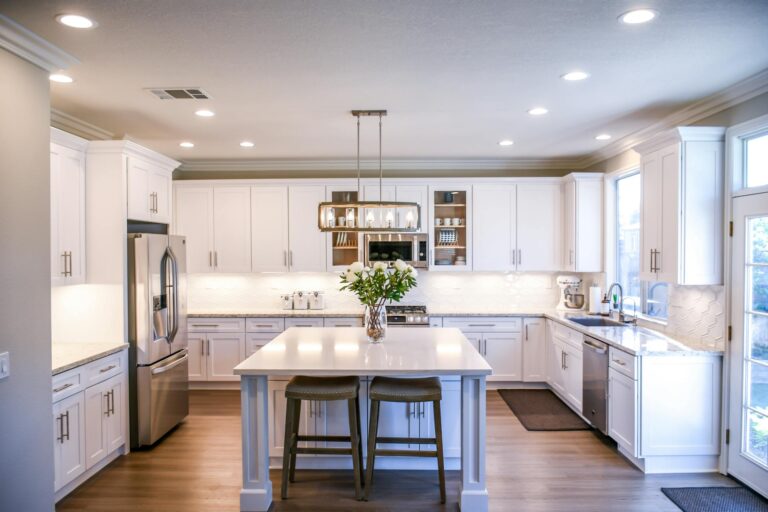
White and light gray cabinets remain popular in Charlotte for good reason: they reflect light and create an airy atmosphere in small kitchens. Pairing white cabinets with light gray or greige walls provides subtle contrast without overwhelming the space. For homeowners concerned about all-white kitchens feeling sterile, incorporating warm wood tones through flooring, open shelving, or butcher block countertops adds necessary warmth.
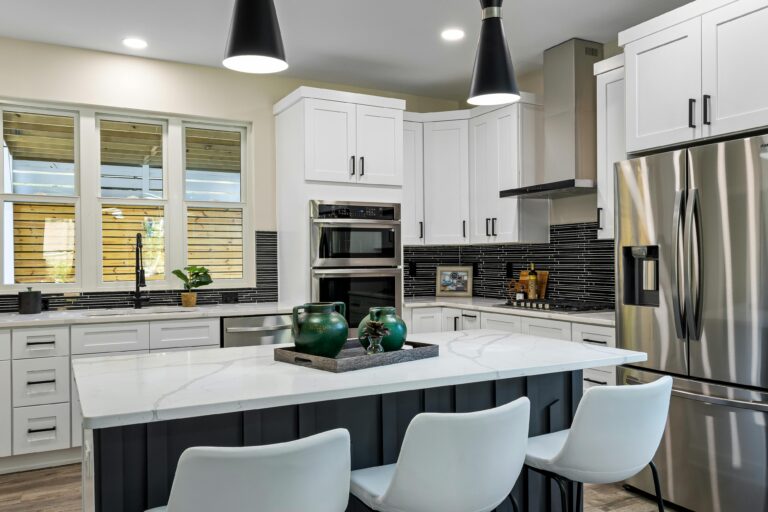
Two-toned cabinet schemes create visual interest in small kitchens. Popular combinations include white upper cabinets with navy, charcoal, or sage green lower cabinets. This approach grounds the space while maintaining openness above eye level. The darker lower cabinets also hide scuffs and wear better than all-white options.
Strategic Backsplash Selections
Backsplashes significantly impact how spacious small kitchens feel. Large-format tiles with minimal grout lines create cleaner visual planes than small mosaic tiles, which can make walls feel busy in compact spaces. Subway tiles remain popular for their classic appeal and reasonable cost, though arranging them vertically rather than horizontally can visually heighten ceilings.
Extending backsplashes to the ceiling, particularly behind stoves or in cooking zones, draws the eye upward and makes kitchens feel taller. This approach works especially well with glass or ceramic tiles that catch and reflect light.
Reflective materials like glass tile, stainless steel, or high-gloss ceramic tiles bounce light around the room, brightening dark corners and creating depth. Mirrored backsplashes offer maximum reflection but require more maintenance and may not suit every design aesthetic.
Flooring Considerations
Flooring choices impact both the visual space and practical functionality of small kitchens. Light-colored flooring in materials like luxury vinyl plank (LVP), porcelain tile, or engineered hardwood creates continuity with adjacent living spaces and makes kitchens feel larger.
Running flooring planks or tiles diagonally can make narrow galley kitchens feel wider, though this approach requires more material and cuts. Homeowners should also consider extending the same flooring material from the kitchen into adjacent spaces, as transitions and different materials can visually chop up and shrink space.
Appliance Selections for Compact Kitchens
Appliance choices significantly affect both the functionality and feel of small townhome kitchens. Fortunately, manufacturers now offer many options designed specifically for compact spaces.
Right-Sized Appliances
Standard ranges measure 30 inches wide, but 24-inch models provide full functionality in a smaller footprint. These compact ranges work especially well in galley kitchens where every inch counts. Similarly, 24-inch dishwashers clean effectively while freeing up cabinet space for storage.
Counter-depth refrigerators align with surrounding cabinets rather than protruding several inches, creating a streamlined look that makes kitchens feel more spacious. While they sacrifice some interior capacity compared to standard-depth models, many Charlotte homeowners find the trade-off worthwhile for the improved aesthetic and traffic flow.
For townhome owners who entertain frequently, combination microwave-convection ovens provide versatile cooking capabilities without consuming space needed for both appliances separately. These units can handle everything from reheating leftovers to roasting chickens, making them ideal for compact kitchens.
Integrated and Concealed Appliances
Panel-ready appliances that accept custom cabinetry panels create a seamless, built-in look that makes kitchens feel more cohesive and less cluttered. While these options cost more than standard appliances, they significantly enhance the high-end feel of remodeled spaces.
Under-counter refrigerator drawers provide convenient cold storage for frequently used items like beverages and produce without requiring space for a second full-size refrigerator. These drawers work particularly well in kitchens that open to entertaining spaces, allowing hosts to access drinks without disrupting food preparation areas.
Lighting Solutions That Transform Small Spaces
Proper lighting can dramatically improve how spacious and functional small kitchens feel. Charlotte homeowners should implement layered lighting strategies that combine ambient, task, and accent lighting.
Natural Light Maximization
Whenever possible, homeowners should maximize natural light in their kitchens. Replacing solid doors with options that include glass panels or sidelights brings in light from adjacent spaces. Similarly, if the kitchen includes windows, keeping treatments minimal or using light-filtering shades rather than heavy curtains maintains privacy while allowing maximum daylight.
For townhomes with kitchens on exterior walls, adding or enlarging windows can transform dark spaces, though this requires checking HOA architectural guidelines and ensuring changes don’t compromise exterior aesthetics.
Layered Artificial Lighting
Under-cabinet lighting eliminates shadows on countertops and makes food preparation safer and more pleasant. LED strip lights provide even illumination while consuming minimal energy and producing little heat. Puck lights offer focused task lighting but can create hot spots if spaced too far apart.
Recessed ceiling lights provide ambient illumination without consuming visual space the way pendant lights or flush-mount fixtures can. Spacing recessed lights appropriately prevents dark corners while avoiding the cluttered appearance too many fixtures can create. Most designers recommend spacing recessed lights four to six feet apart in kitchens.
Pendant lights over peninsulas or islands provide both task lighting and design focal points. In kitchens with limited space, selecting slim profiles or glass pendants maintains openness while adding personality. Dimmer switches allow homeowners to adjust lighting levels for different activities and times of day.
Cost-Effective Updates That Deliver Impact
Not every townhome owner can afford a complete kitchen renovation, but strategic updates can still transform spaces without breaking budgets.
High-Impact, Lower-Cost Changes
Painting existing cabinets rather than replacing them saves thousands while dramatically changing the kitchen’s appearance. Professional painting services typically cost between $3,000 and $8,000 in Charlotte, compared to $15,000 to $30,000 or more for new cabinets. Homeowners can achieve even greater savings by tackling this project themselves, though proper preparation and painting techniques ensure durable, professional-looking results.
Replacing cabinet hardware provides one of the best returns on investment for kitchen updates. New pulls and knobs cost as little as a few dollars each but instantly modernize dated cabinets. Choosing oversized hardware makes a bolder statement and feels more contemporary than small, understated options.
Updating lighting fixtures changes both functionality and aesthetic appeal without requiring major construction. Replacing a dated fluorescent box with recessed lighting and adding under-cabinet lights costs less than $2,000 installed but transforms how kitchens look and function.
New countertops refresh kitchens significantly while costing less than complete renovations. Quartz and granite remain popular choices in Charlotte, with costs ranging from $50 to $150 per square foot installed. For tighter budgets, butcher block, laminate, and concrete offer attractive alternatives at lower price points.
Budget Planning for Charlotte Townhome Kitchen Remodels
Understanding typical costs helps homeowners plan realistic budgets for their kitchen remodeling projects. Prices vary based on materials, scope, and contractor selection, but Charlotte homeowners can expect the following ranges for different project scales:
| Remodel Scale | Budget Range | Typical Updates Included |
|---|---|---|
| Minor Update | $5,000 – $15,000 | Paint, hardware, lighting, backsplash, minor fixture upgrades |
| Mid-Range Remodel | $15,000 – $35,000 | New countertops, appliances, cabinet refacing or painting, flooring, upgraded lighting |
| Major Renovation | $35,000 – $70,000+ | New cabinets, high-end countertops and appliances, complete layout changes, flooring, lighting, plumbing changes |
These estimates assume kitchens between 70 and 120 square feet typical of Charlotte townhomes. Costs increase significantly if projects include structural changes, require permit-intensive modifications, or incorporate luxury finishes.
Homeowners should allocate 10 to 20 percent of their budget for unexpected expenses that arise during renovation. Older townhomes particularly may reveal issues like outdated wiring, plumbing problems, or water damage once work begins.
Working with Charlotte Contractors and HOAs
Successfully remodeling a townhome kitchen requires navigating both contractor relationships and homeowners association requirements.
Selecting Qualified Contractors
Charlotte’s thriving construction market provides many options for kitchen remodeling contractors, but homeowners should thoroughly vet potential partners. Checking licensing, insurance, and references remains essential. The North Carolina Licensing Board for General Contractors maintains public records of licensed contractors and any disciplinary actions.
Obtaining at least three detailed bids helps homeowners understand fair pricing and identify potential issues. Detailed proposals should itemize all work, specify materials by brand and model when possible, and include clear timelines. Unusually low bids often indicate contractors who cut corners or plan to charge extensively for change orders.
Many Charlotte homeowners find success working with contractors who specialize in townhome and condo renovations. These professionals understand the unique challenges of working in attached housing, including noise restrictions, limited access for materials, and HOA requirements.
Navigating HOA Requirements
Most Charlotte townhomes belong to homeowners associations with rules governing renovations. Before beginning any kitchen remodel, homeowners should review their HOA’s architectural guidelines and submit required applications for approval.
Common HOA concerns include exterior changes like window modifications or additions, noise restrictions limiting work hours, and requirements for protecting common areas during material transport. Some associations require contractors to carry specific insurance levels or provide proof of workers’ compensation coverage.
Homeowners should build HOA approval time into project schedules, as review processes can take several weeks. Starting this process early prevents delays once contractors are ready to begin work.
Sustainable and Practical Material Choices
Charlotte homeowners increasingly prioritize sustainable materials and practices in their kitchen remodels. Fortunately, many eco-friendly options also offer superior durability and performance.
Countertop Options
Quartz countertops remain Charlotte’s most popular choice for good reason. These engineered surfaces combine durability, low maintenance, and extensive design options. Unlike granite, quartz never requires sealing and resists staining exceptionally well. Prices range from $60 to $120 per square foot installed, with higher costs for premium colors and edge profiles.
Butcher block countertops provide warmth and character at moderate costs ($40 to $80 per square foot). These surfaces require more maintenance than stone options but can be sanded and refinished if damaged. Many homeowners use butcher block on islands or sections of countertops while choosing more durable materials for main prep areas.
Recycled glass countertops offer unique aesthetics and strong environmental credentials. These surfaces incorporate post-consumer glass in cement or resin bases, creating colorful, eye-catching designs. Costs typically range from $50 to $100 per square foot.
Cabinetry Materials
Plywood cabinet boxes offer superior strength and moisture resistance compared to particleboard, justifying their higher cost through longer lifespans. Homeowners should specifically request plywood construction, as many production cabinets use particleboard to reduce costs.
For cabinet finishes, thermofoil and laminate provide budget-friendly options that resist moisture and clean easily. Painted wood cabinets offer more style options and can be refinished but cost more and require more maintenance. Homeowners planning to stay in their townhomes long-term often find the investment in painted wood cabinets worthwhile.
Bamboo cabinets appeal to environmentally conscious homeowners, as bamboo regenerates much faster than hardwood trees. These cabinets offer durability comparable to traditional wood at similar price points while reducing environmental impact.
Creating Multifunctional Spaces
Charlotte townhome kitchens must often serve multiple purposes beyond cooking. Thoughtful design can accommodate dining, working, and socializing within compact footprints.
Integrated Dining Solutions
Built-in breakfast nooks make efficient use of corner spaces while providing comfortable dining for two to four people. Adding storage drawers beneath bench seating maximizes functionality. These nooks work particularly well in kitchens with bay windows or corner alcoves.
Peninsula counters with overhang for seating create casual dining spaces without requiring separate tables. A 12 to 15-inch overhang accommodates standard counter-height stools, while 18-inch overhangs work better for comfort and legroom. This approach works well for kitchens that open to living areas, allowing family members and guests to interact with cooks while meals are prepared.
Fold-down tables mounted to walls or cabinet ends provide dining surfaces when needed without permanently consuming floor space. These solutions work especially well in galley kitchens where permanent tables would block traffic.
Workspace Integration
Many townhome owners work from home at least part-time and value having workspace in or near kitchens. Small desk areas built into kitchen designs accommodate laptops and paperwork while keeping the kitchen as the family hub. Some homeowners extend countertops beyond standard depth in one section, creating desk space that shares the kitchen’s aesthetic while providing functional workspace.
Charging stations built into cabinets or drawers keep phones and tablets powered while eliminating counter clutter. USB outlets integrated into backsplashes or cabinet undersides provide convenient charging without occupying standard outlets needed for appliances.
Finishing Touches That Personalize Small Kitchens
Once major remodeling work concludes, thoughtful finishing touches make kitchens feel complete and reflect homeowners’ personalities.
Decorative Elements
Homeowners should resist the urge to over-decorate small kitchens, as too many items create visual clutter. Instead, selecting a few meaningful pieces makes bigger impacts. A small collection of attractive cookbooks, a vintage cutting board displayed on open shelving, or a beautiful bowl filled with fresh fruit adds personality without overwhelming spaces.
Plants bring life to kitchens while improving air quality. Herbs grown on sunny windowsills provide fresh ingredients while creating attractive displays. For kitchens with limited natural light, pothos and snake plants tolerate lower light conditions while adding greenery.
Statement-making range hoods, whether sleek stainless steel, copper, or custom wood, create focal points in kitchen designs. Since kitchens require range hoods anyway, choosing distinctive options adds personality without consuming additional space.
Practical Accessories
Quality cutting boards, knife sets, and cooking utensils deserve display space if they’re attractive. Magnetic knife strips keep quality knives visible and accessible while freeing drawer space. Hanging pot racks work well in kitchens with sufficient ceiling height, though homeowners should ensure these don’t create sight-line obstructions or make spaces feel cluttered.
Matching canisters for flour, sugar, coffee, and tea organize pantry staples while adding decorative elements to countertops or open shelving. Glass containers allow homeowners to see contents at a glance while creating attractive displays.
Maximizing Natural Assets of Charlotte Living
Charlotte’s climate and lifestyle offer specific opportunities for townhome kitchen remodeling.
Indoor-Outdoor Connection
For townhomes with patios or balconies adjacent to kitchens, creating strong indoor-outdoor connections extends usable space seasonally. Installing French doors or sliding glass doors with large panes maximizes natural light and views while providing easy access for outdoor entertaining.
Creating serving counters along walls adjacent to exterior doors allows easy passing of food and drinks between indoor and outdoor spaces. This setup particularly benefits townhomes in neighborhoods like South End where outdoor entertaining features prominently in the lifestyle.
Climate Considerations
Charlotte’s humid summers make moisture-resistant materials particularly important for kitchen remodeling. Selecting water-resistant flooring like luxury vinyl plank or porcelain tile rather than hardwood prevents damage from humidity and spills. Similarly, choosing quartz over marble countertops eliminates concerns about moisture damage and staining in humid conditions.
Adequate ventilation becomes crucial in Charlotte’s climate. Homeowners should select range hoods rated to move at least 100 cubic feet per minute for electric cooktops and 150 CFM or more for gas ranges. Proper ventilation prevents moisture buildup, eliminates cooking odors, and protects cabinet finishes.
Conclusion
Remodeling small kitchens in Charlotte townhomes requires creativity, strategic planning, and understanding of how design choices impact both functionality and aesthetic appeal. By maximizing storage, selecting appropriate appliances, implementing smart layout strategies, and choosing colors and materials that enhance spaciousness, homeowners can transform compact kitchens into efficient, beautiful spaces that rival much larger rooms in capability and style.
The key lies in approaching each project with clear priorities, realistic budgets, and willingness to think creatively about space utilization. Whether undertaking minor updates or major renovations, Charlotte townhome owners have access to skilled contractors, quality materials, and design inspiration that can help them create kitchens perfectly suited to their needs and lifestyles.
Small kitchens need not feel limiting. With thoughtful planning and smart execution, these compact spaces can become the inviting, functional hearts of Charlotte townhomes, supporting everything from daily meal preparation to entertaining friends and family. The investment in kitchen remodeling typically returns strong value both in daily living enjoyment and eventual resale appeal, making these projects worthwhile for townhome owners planning to stay in their homes or positioning properties for future sale.